


How to Keep Your New Bathroom Looking Beautiful for Years Maintenance, durability and long-term care for Kingston upon Thames homes2nd February, 2026|
Designing a new bathroom is one of the most exciting home improvements you can make. From choosing tiles and brassware to perfecting the lighting and layout, it’s a space that’s carefully considered and deeply personal. But once the final fixture is fitted and the dust has settled, a quieter — and arguably more important — phase begins: looking after your bathroom so it continues to look and perform beautifully for years to come.
With the right care, a well-designed bathroom can last 10 to 20 years or more. Without it, even premium materials can quickly lose their appeal.
For homeowners in Kingston upon Thames, Surbiton, Thames Ditton, Esher, Cobham, Weybridge, Epsom and across Surrey, bathrooms face a few specific challenges:
• Hard water and limescale build-up
• Period and mid-century homes with limited ventilation
• Compact bathrooms prone to condensation
• Powerful modern showers increasing humidity
This guide explains how to protect your renovation investment, extend the lifespan of your materials, and keep your bathroom looking as fresh as the day it was completed.
The hidden enemies of bathroom longevity
Before talking about cleaning products or routines, it helps to understand what causes most bathrooms to deteriorate over time.
Hard water and limescale (a major Surrey issue)
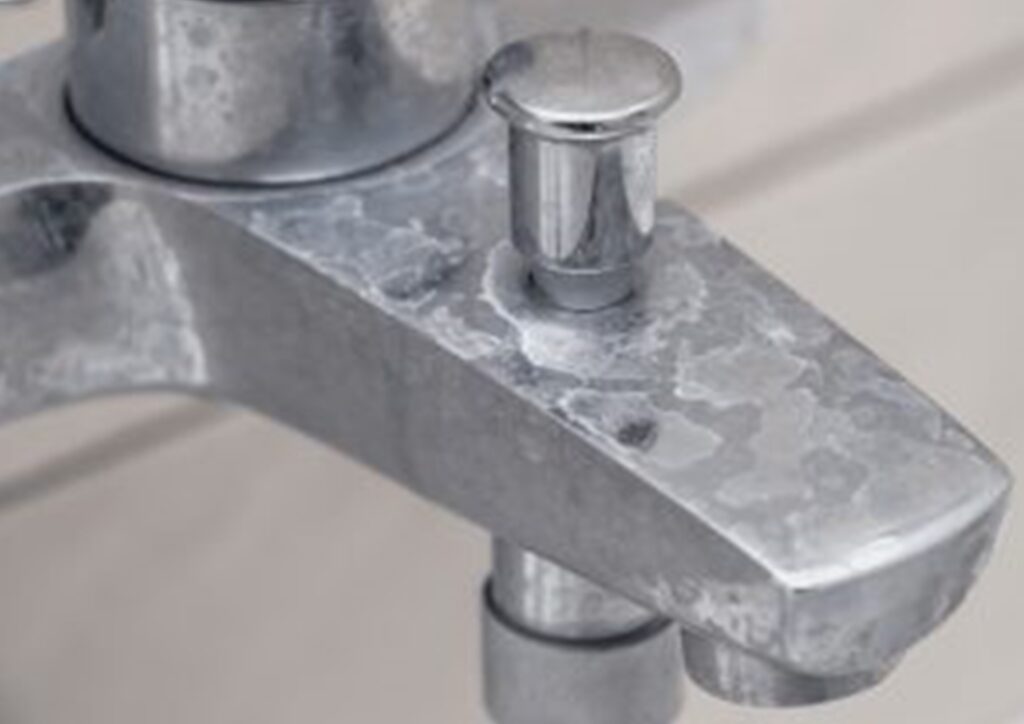
Surrey is firmly a hard-water region. Over time, mineral deposits leave their mark in the form of:
- White residue on taps and shower heads
- Cloudy shower glass
- Reduced water flow
- Staining around wastes and drains
Left untreated, limescale doesn’t just affect appearance — it can shorten the life of valves, cartridges and fittings.
Condensation and trapped humidity
Moisture is the single biggest threat to bathrooms, particularly in older Kingston properties.
Excess humidity can lead to:
- Mould growth
- Weakening grout
- Peeling paint
- Swollen cabinetry and veneers
- Warped doors and flooring
Even the most beautifully designed bathroom will struggle without proper ventilation and airflow.
Soap, shampoo and product build-up
Luxury showers are wonderful — but they produce residue. Soap, conditioner oils and body washes combine with hard water minerals to create a dull, sticky film on tiles and glass if not removed regularly.
Using the wrong cleaning products
One of the most common (and costly) mistakes homeowners make is using cleaners that are too harsh for their materials.
Acidic sprays, abrasive pads and bleach can permanently damage:
- Natural stone
- Metal finishes
- Grout and silicone
- Lacquered brassware
Choosing the right product for each surface makes all the difference.
Caring for tiles, grout and silicone
Tiles form the visual backbone of your bathroom, so keeping them in good condition has a huge impact on how clean and calm the space feels.
Porcelain and ceramic tiles
Popular in Kingston bathrooms for good reason, these tiles are durable and low-maintenance.
Best practice:
- Weekly wipe with a pH-neutral cleaner
- Microfibre cloths for polished finishes
- Squeegee shower walls after use
Avoid:
Abrasive pads, acidic cleaners and regular bleach use.
Natural stone tiles
Marble, limestone, travertine and slate bring instant luxury, but they are porous and require careful handling.
Essential care:
- Seal once or twice a year
- Use stone-safe cleaners only
- Wipe spills immediately
Never use vinegar, limescale remover or generic bathroom sprays on stone.
Grout maintenance
Grout is often the first element to show wear.
To keep it looking fresh:
- Apply a grout sealer annually
- Clean with soft brushes
- Address mould early
If grout becomes permanently discoloured or cracked, regrouting can make a bathroom feel brand new.
Silicone seals
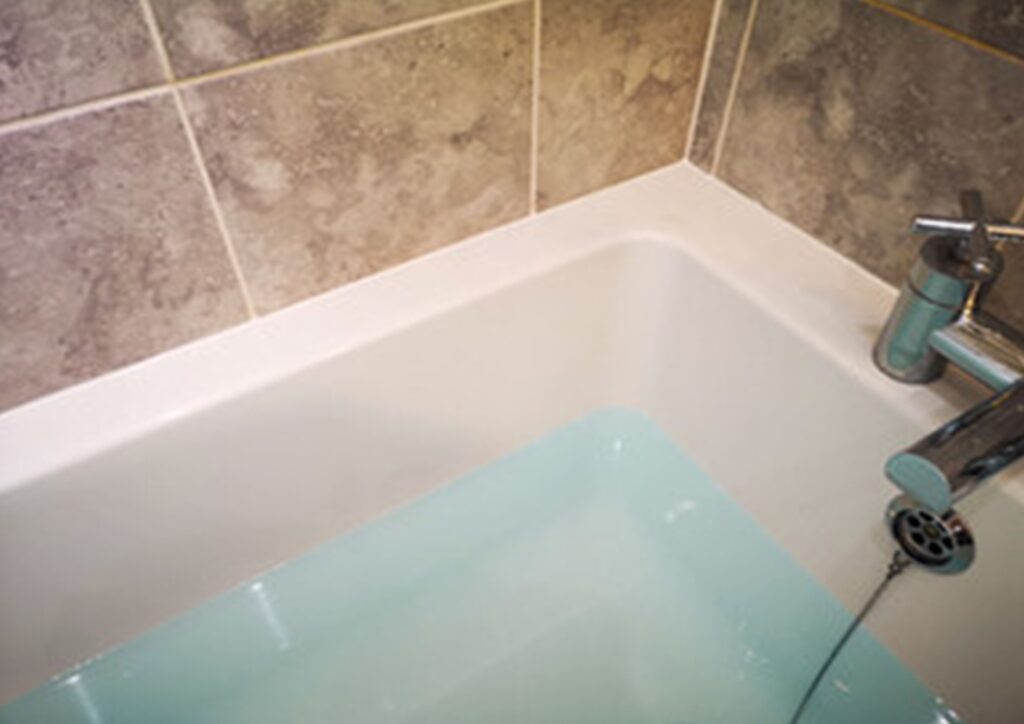
Silicone prevents water from entering joints around baths, showers and vanity units.
- Keep joints dry after use
- Remove mould promptly
- Replace silicone as needed
Failed silicone can lead to hidden water damage, particularly in upstairs bathrooms.
Looking after taps, showers and metal finishes
Your brassware is the most frequently touched part of the bathroom — and the most visible when it’s not cared for.
Chrome
A popular choice in Kingston homes thanks to its durability.
- Wipe regularly with a soft cloth
- Use mild, pH-neutral cleaners
- Remove limescale gently
Brass finishes
Lacquered brass is easier to maintain and should only be cleaned with non-abrasive products.
Unlacquered “living” brass develops a natural patina over time. Clean gently with mild soap and water and avoid polishing unless you want to reset the finish.
Black, bronze and gunmetal finishes
These finishes look striking but show water marks more easily in hard-water areas.
- Dry after use where possible
- Avoid limescale removers
- Use microfibre cloths and gentle cleaners
A couple of minutes a day prevents hours of work later.
Keeping shower glass crystal clear
Few things affect a bathroom’s appearance as much as cloudy shower glass.
Daily habits that make the biggest difference:
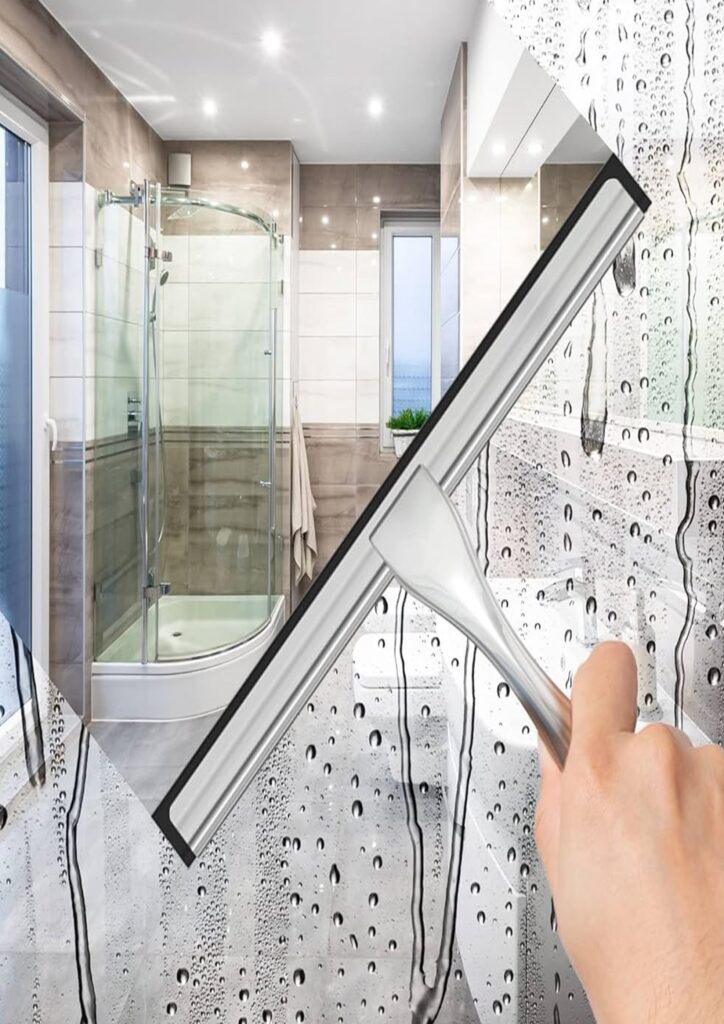
- Use a squeegee after showering
- Keep the room well ventilated
Weekly cleaning:
Use a glass-safe, pH-neutral cleaner and a soft cloth.
Many homeowners now opt for hydrophobic glass coatings, which help water bead and run off more easily. These typically need reapplying every 6–12 months.
Baths, trays and worktops: material-specific care
Different surfaces need different approaches.
- Acrylic baths and trays: non-abrasive cleaners only
- Stone resin trays: stone-safe products and thorough rinsing
- Quartz worktops: wipe spills promptly, avoid heat and solvents
Natural stone worktops: seal regularly and clean gent
Ventilation: the most important factor of all
Good ventilation is the foundation of a long-lasting bathroom.
- Humidistat fans automatically run after showering or bathing for 15–16 minutes
- Avoid drying towels in small bathrooms
- Look for early signs of damp or mould
If your fan is more than a decade old, upgrading to a modern, quiet, high-extraction model can make a noticeable difference.
Caring for modern bathroom technology
Many Kingston renovations now include smart features.
- Digital showers: clean filters and follow manufacturer guidance
- Underfloor heating: avoid drilling or chemical spills
- Smart mirrors: clean gently and avoid spraying products directly
How long should bathroom components last?
With good installation and maintenance:
- Tiles: 15–30 years
- Grout and silicone: Depends on use many factors
- Taps and brassware: 10–20 years
- Shower valves: 7–15 years
- Vanity units: 10–20 years
- Toilets: 15–30 years
Longevity is always a balance of quality, installation and care.
Warranties and aftercare
High-quality bathroom renovations typically include:
- Product warranties
- Workmanship guarantees
- Waterproofing and electrical certification
Keep all documentation together — especially for valves and concealed systems.
Many homeowners also opt for professional aftercare services, such as annual servicing, deep cleaning or glass re-coating, to keep their bathroom performing at its best with minimal effort.
A bathroom worth caring for
A well-designed bathroom is more than a practical space. It’s somewhere you start and end every day.
With the right habits and a little regular care, your bathroom can remain:
- Beautiful
- Hygienic
- Efficient
- Comfortable
- Long-lasting
If your bathroom renovation was designed to last, maintaining it properly ensures it truly does.
By Dave Ferreiro
Founder of DFP Building Services and a bathroom renovation specialist with 18 years of hands-on experience in bathroom design, renovation, and maintenance, serving Kingston upon Thames and Surrey.