



How Long Does a Bathroom Renovation Take?26th October, 2026|
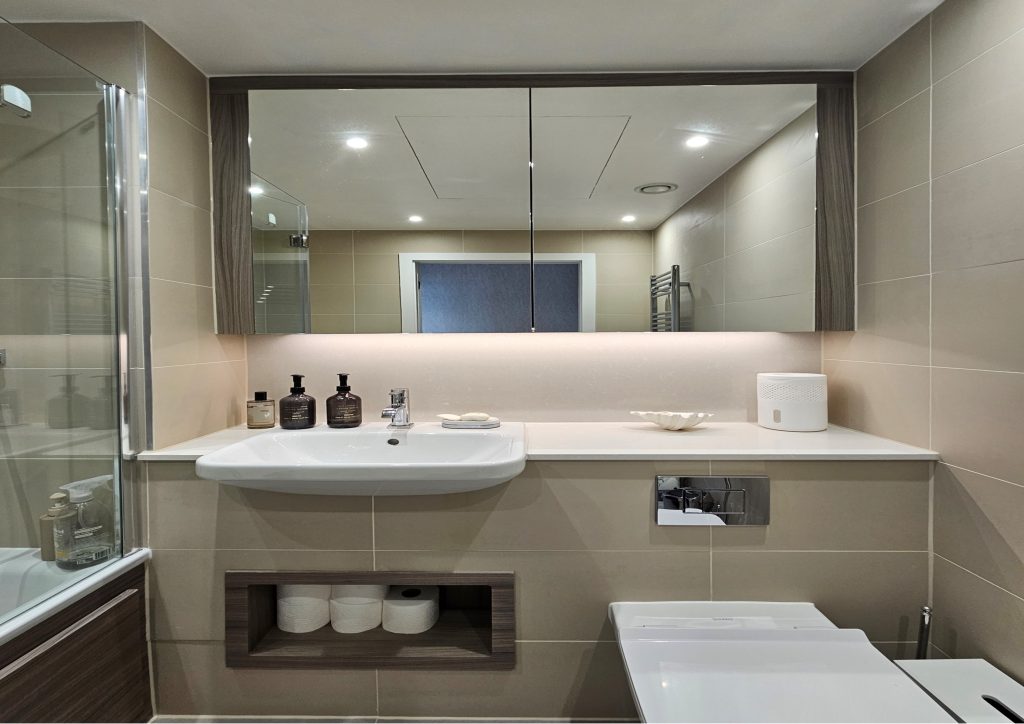
Planning a bathroom renovation is exciting, but one of the first questions homeowners ask is: how long will my bathroom be out of action?
Whether you are updating a tired bathroom, replacing your existing en-suite bathroom or transforming the space with a completely new layout, understanding the timescales involved can help you plan your project with confidence.
For homeowners in Kingston upon Thames, a bathroom renovation typically takes 1–2 weeks for simple upgrades and 2–4 weeks for a full renovation, depending on the scope of work, the materials selected and whether any structural or plumbing changes are required.
In this guide, we explain each stage of a bathroom renovation, what can affect the schedule, how to prepare your home and what to expect while the work is underway.
How long does a bathroom renovation take?
The time needed to renovate a bathroom depends primarily on how much work is involved. Replacing a few fixtures is considerably quicker than stripping the room back to its original structure and installing an entirely new bathroom.
Here is a general guide to bathroom renovation timescales in Kingston upon Thames.
| Type of bathroom renovation | Typical timescale |
| Simple upgrades, such as replacing taps, a toilet or a vanity unit | 1–2 weeks |
| Standard full bathroom renovation | 2–4 weeks |
| Bathroom renovation involving layout changes | 3–5 weeks or longer |
| Complex renovation involving structural alterations or significant remedial work | 4–6 weeks or longer |
These are indicative working timescales rather than guaranteed completion dates. The actual duration will depend on the property’s condition, the availability of materials, the number of trades involved and the complexity of the installation.
It is also important to distinguish between the time spent carrying out the work and the overall project lead time. Planning, choosing products, ordering materials and arranging the installation can add several weeks before work begins.
Our advice: allow time for preparation as well as the renovation itself. A well-planned project is more likely to stay on schedule and involve fewer unexpected interruptions.
If you’re at the beginning of your renovation journey, our ultimate guide to bathroom renovation in Kingston upon Thames explains the key considerations, from planning your design and choosing fixtures to preparing for installation and creating your ideal bathroom.
The main stages of a bathroom renovation
A bathroom renovation involves several stages, and each one needs to be completed in the correct order. Although some tasks can overlap, plumbing, electrical work, waterproofing, tiling and fitting must be carefully coordinated to achieve a reliable finish.
Here is what a typical full bathroom renovation involves.
- Planning, design and preparation
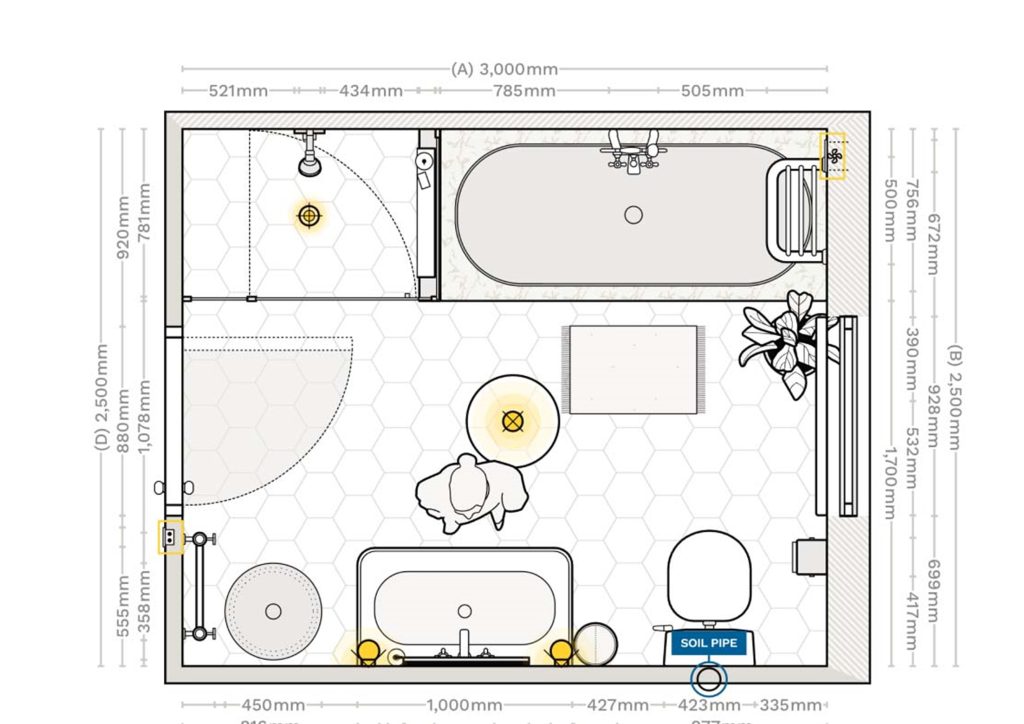
Typical timescale: 1–3 weeks or more before installation
Before work starts, the layout needs to be finalised, fixtures and finishes selected, and the installation requirements agreed.
This stage usually includes:
- Measuring the existing bathroom and assessing the available space.
- Choosing sanitaryware, taps, shower fittings, tiles, flooring and lighting.
- Confirming whether the existing plumbing and electrical arrangements can be retained.
- Establishing the budget, installation schedule and scope of work.
- Ordering materials and checking delivery dates.
The time required will depend on how quickly decisions are made and whether specialist products need to be ordered. Bespoke furniture, unusual tile sizes and made-to-order shower screens may require additional lead time.
Getting these decisions right before installation begins helps reduce last-minute changes and unnecessary delays.
- Removing the existing bathroom
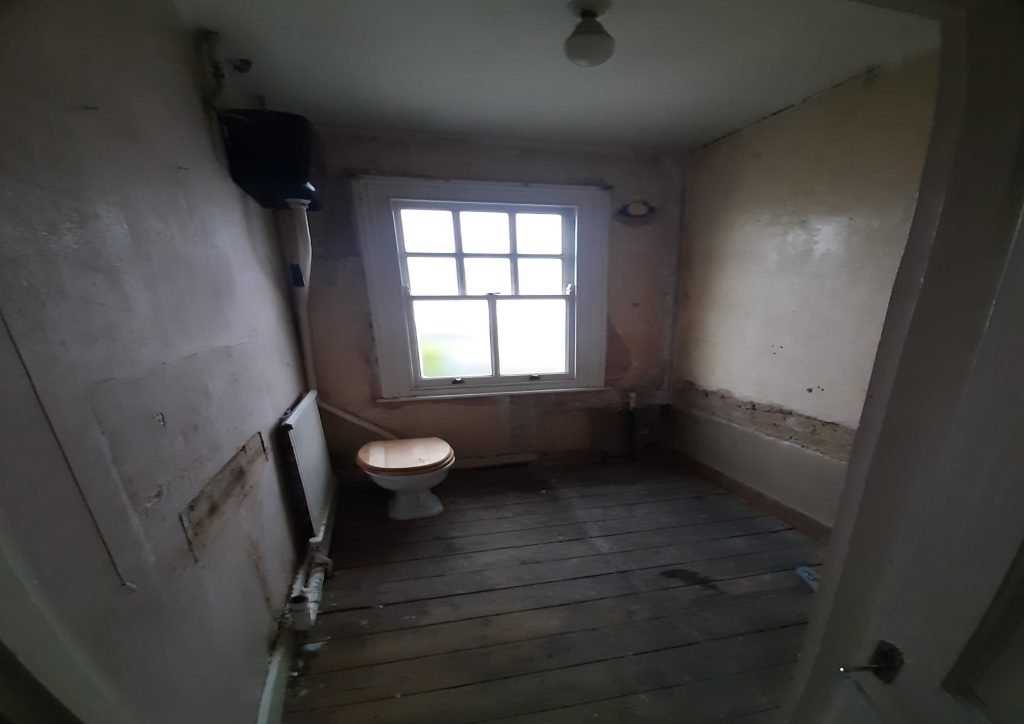
Typical timescale: 1–3 days
The first physical stage is usually to remove the old bathroom suite, tiles, flooring and any fittings that will not be reused.
Depending on the scope of the renovation, this may involve removing:
- The existing bath or shower enclosure.
- The toilet, basin and vanity unit.
- Wall and floor tiles.
- Old flooring, boxing and selected plasterboard.
- Redundant pipework and fittings.
The room is then cleared and inspected to assess the condition of the surfaces, pipework and surrounding structure.
Older properties can present unexpected challenges once existing finishes have been removed. Hidden leaks, damaged plaster, deteriorated flooring or unsuitable previous repairs may need attention before installation can continue.
- Plumbing, electrical work and first fix
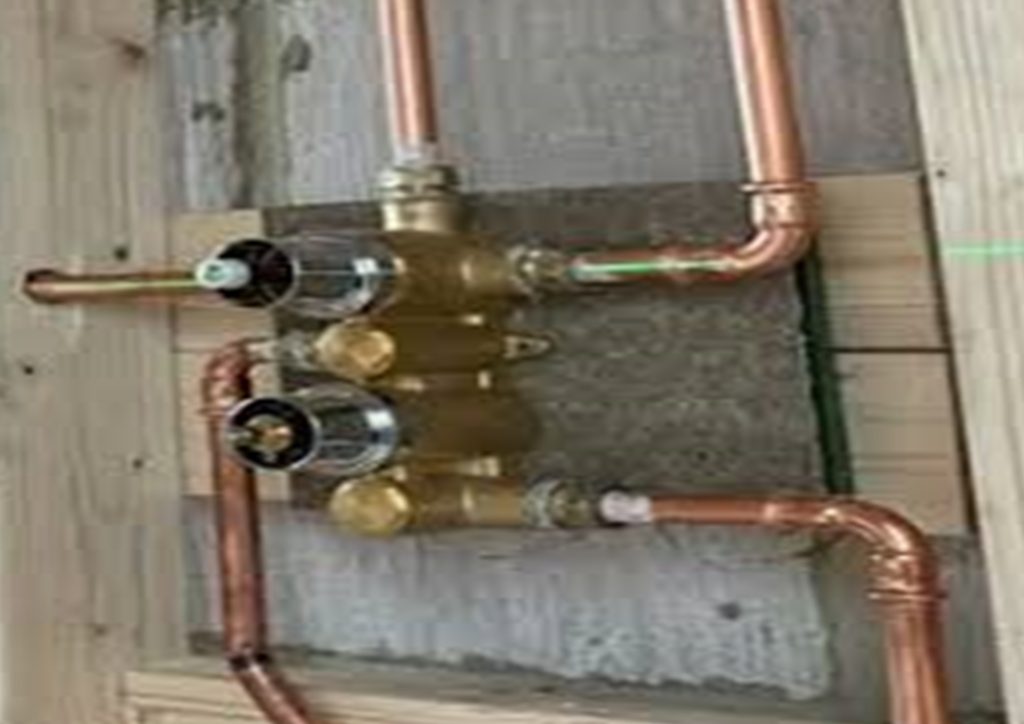
Typical timescale: 1–4 days
Once the room has been stripped out, the next stage is to prepare the essential services.
This may include repositioning water pipes, installing new waste connections, preparing shower feeds, upgrading electrical connections and fitting concealed components.
If the new bathroom follows the existing layout, this stage may be relatively straightforward. Moving a toilet, relocating a shower or changing the position of a bath can increase the amount of work involved.
Electrical work in bathrooms must comply with the applicable safety requirements, including the relevant provisions of Part P of the Building Regulations where applicable. Work should be carried out by a suitably qualified professional, with the appropriate inspection, testing and certification. Completing these tasks before walls and floors are closed up helps avoid having to disturb finished surfaces later.
Read the Electrical work in bathrooms must comply with the applicable safety requirements, including the relevant provisions of Part P of the Building Regulations where applicable. For further information, see the official electrical safety guidance for dwellings
- Plastering, preparation and waterproofing
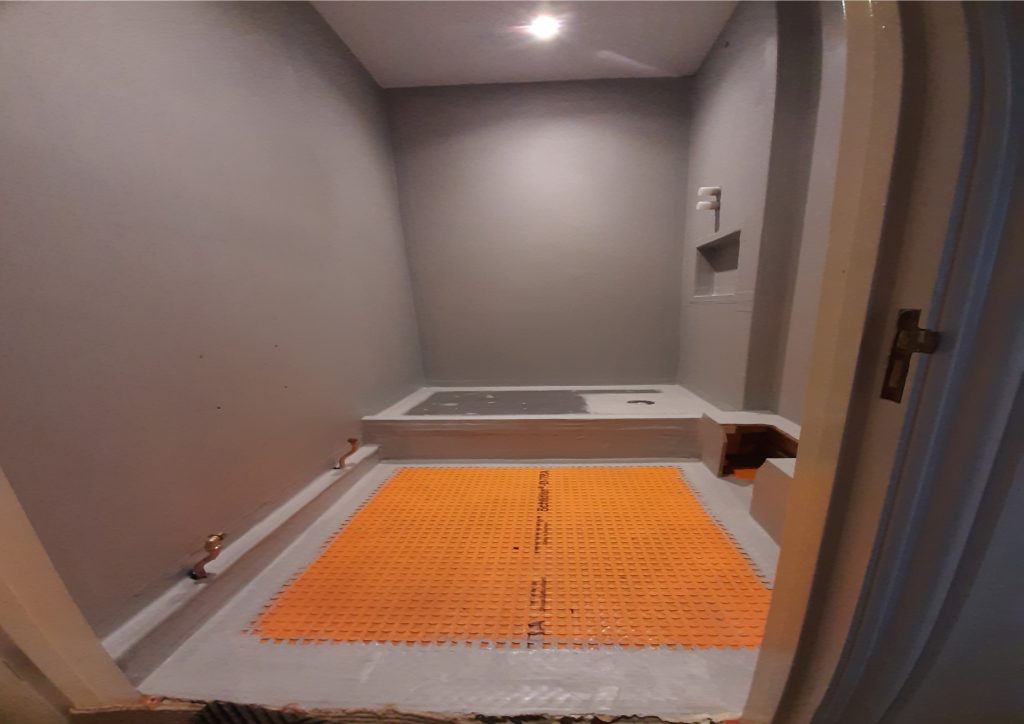
Typical timescale: 1–3 days, plus drying time
Before tiling or fitting certain finishes, walls and floors need to be prepared properly.
Depending on the condition of the room, this can involve repairing plaster, levelling surfaces, preparing the floor and applying a suitable waterproofing system in relevant wet areas.
Preparation is particularly important around showers, baths and other areas exposed to regular water contact. The correct system must be selected and installed in accordance with its manufacturer’s instructions.
Drying and curing times matter. Plaster, levelling compounds, adhesives and waterproofing products may each require a specified period before the next stage can begin.
Rushing these steps to save a day can compromise the quality and durability of the finished bathroom. A professional installation schedule should account for the time these materials need.
- Tiling and flooring
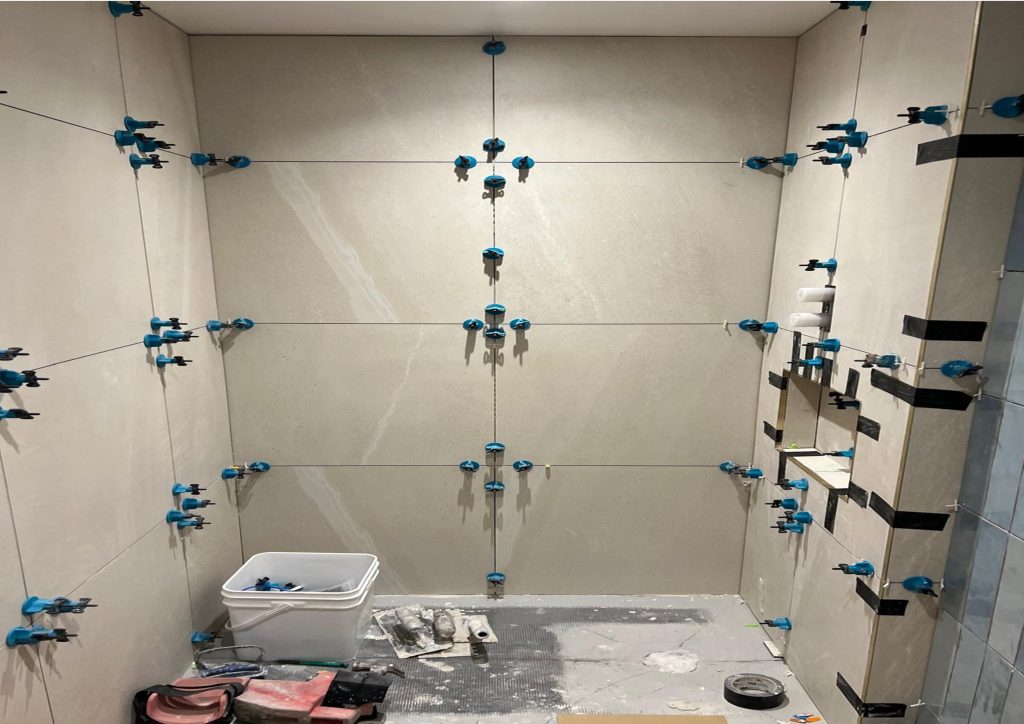
Typical timescale: 2–5 days, plus curing time
Tiling can be one of the most time-consuming parts of a bathroom renovation, particularly when the design includes large-format tiles, intricate patterns, decorative borders or numerous cuts around fixtures.
The timescale depends on:
- The size of the area being tiled.
- The tile material, format and laying pattern.
- The condition and preparation of the underlying surfaces.
- The number of corners, niches and other details.
- The time needed for adhesive and grout to cure.
Flooring may also be installed during this stage, depending on the chosen material and the sequence specified for the project.
Once tiling is complete, the appropriate curing time must be allowed before the relevant areas are exposed to water or subjected to further installation work.
- Installing the new bathroom suite
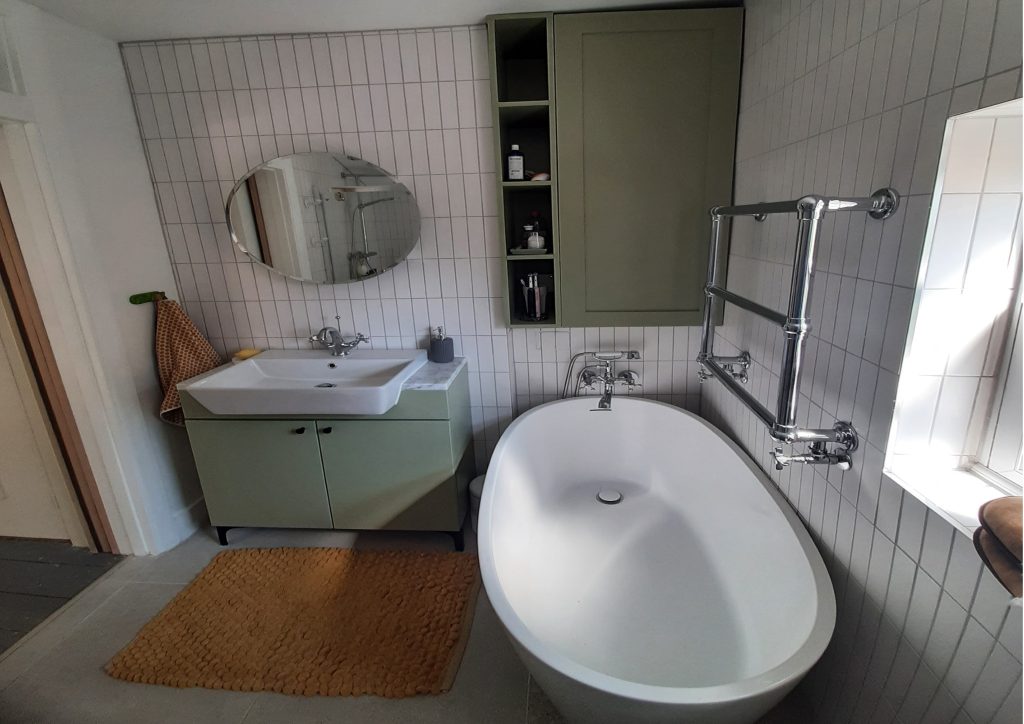
Typical timescale: 2–4 days
With the main surfaces prepared and finished, the new bathroom fittings can be installed.
This stage may include:
- Fitting the bath, shower tray or walk-in shower components.
- Installing the toilet and basin.
- Connecting taps, wastes and pipework.
- Fitting vanity units, cabinets and storage.
- Installing the shower screen and accessories.
The complexity of the chosen products makes a difference. A straightforward replacement suite will generally take less time to install than a wall-hung toilet, concealed cistern, bespoke vanity unit or complex walk-in shower.
Careful coordination is essential because fittings must align correctly with the finished walls, flooring and plumbing connections.
- Electrical finishing, lighting and ventilation
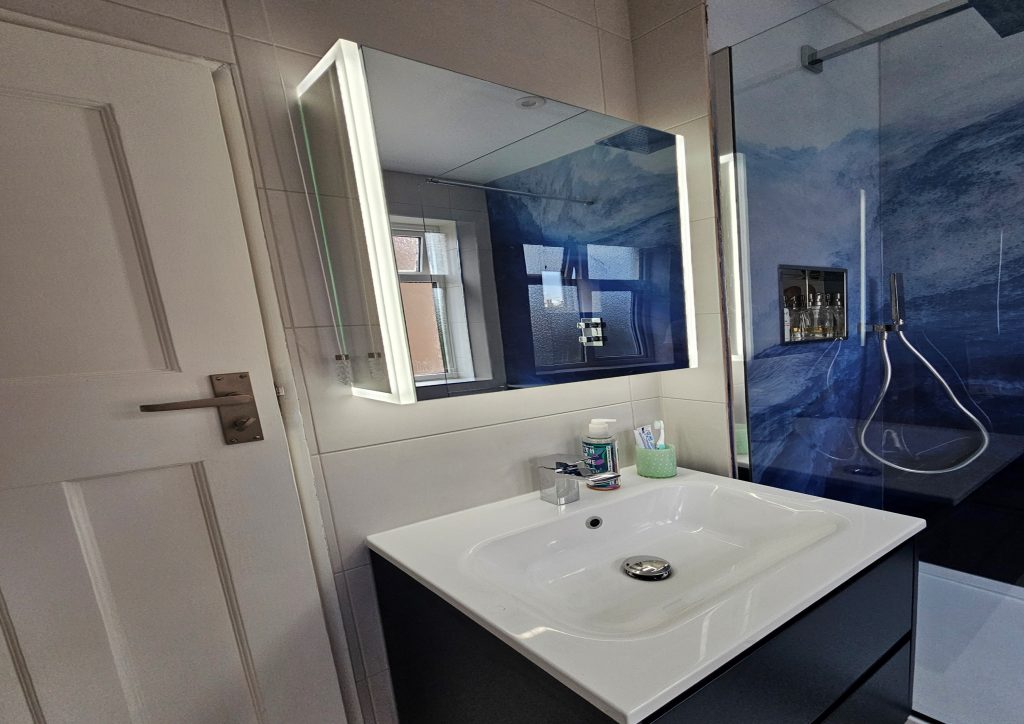
Typical timescale: 1–2 days
The final electrical and ventilation work can include fitting lights, connecting extractor fans, installing mirrors with integrated lighting and completing other electrical accessories.
Bathroom lighting and electrical equipment must be suitable for their intended location and installed in accordance with applicable regulations.
Effective ventilation is particularly important in bathrooms because it helps control moisture and reduce condensation. The appropriate ventilation provision will depend on the room, the existing installation and the relevant building requirements. Read the current Approved Document F guidance
Some finishing work may take place alongside other installation tasks, so these timings should not always be added together as separate, consecutive days.
- Sealing, testing and final checks
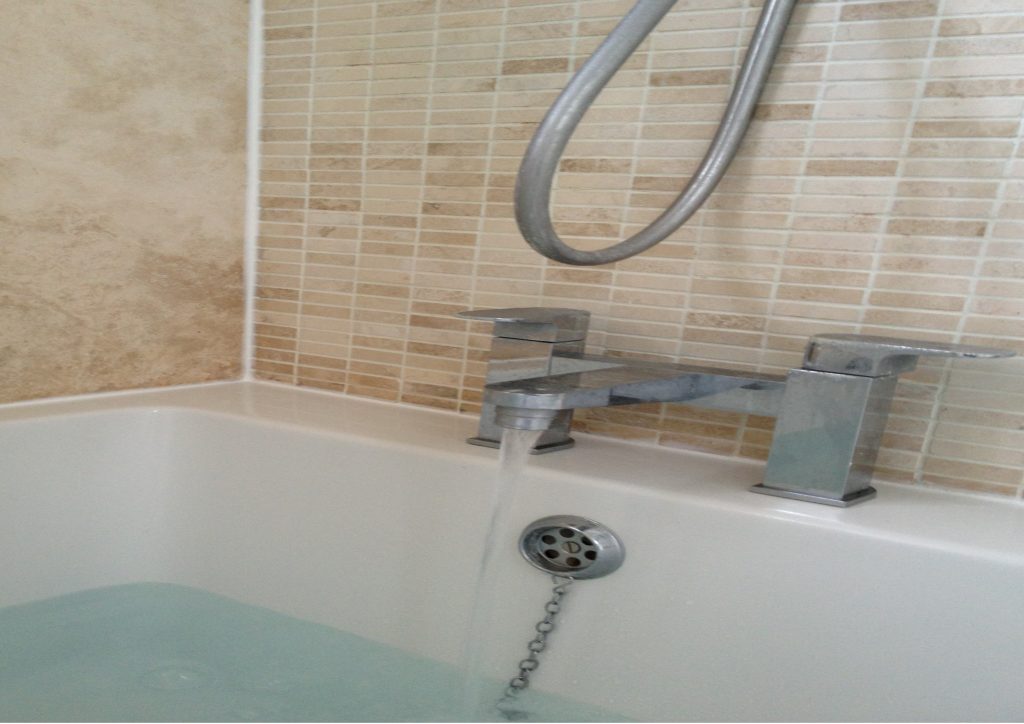
Typical timescale: 1–2 days, allowing for any required curing
The final stage is to check that everything works correctly and that the bathroom is ready to use.
This typically involves:
- Testing taps, showers, toilets and waste connections.
- Checking for leaks and confirming that water drains correctly.
- Completing silicone seals and other finishing details.
- Checking doors, drawers, shower screens and fittings.
- Testing electrical installations and confirming the required documentation is available.
- Cleaning the room and addressing any outstanding snagging items.
Sealants and other products may need time to cure before the bathroom can be used normally. Always follow the manufacturer’s guidance, particularly before exposing newly sealed areas to water.
A final inspection helps identify minor issues before the project is considered complete.
Why the individual stages do not always add up to the total renovation time
You may notice that the estimated times for individual tasks can add up to more than the overall 2–4-week timescale for a standard full bathroom renovation.
That is because some work can overlap, different trades may work in coordination, and not every bathroom requires every task listed above.
For example, a bathroom that retains its existing layout may need relatively little plumbing work. A room with sound walls and floors may need minimal remedial preparation. Conversely, a project involving structural alterations, extensive tiling or significant hidden damage may take considerably longer.
A realistic schedule should be based on the actual bathroom, rather than simply adding together generic estimates for each stage.
What can delay a bathroom renovation?
Even a well-planned bathroom renovation can encounter unexpected issues. Understanding the most common causes of delays helps you make informed decisions and set realistic expectations.
Unexpected plumbing or structural problems
Once the old bathroom is removed, previously hidden issues may become visible. These can include leaking pipes, damaged floorboards, water-damaged plaster or unsuitable existing installations.
Such problems should be assessed and resolved before the new bathroom is fitted. The additional time will depend on the extent of the damage and the work needed to put it right.
Changes to the original design
Changing your mind about tiles, moving the toilet or adding a different shower arrangement after installation has started can affect the schedule.
Changes may require new materials, additional plumbing, revised measurements or work to be repeated. Finalising the design before the start date is one of the most effective ways to minimise this risk.
Delays in materials and deliveries
Some bathroom products are available quickly, while others may have longer lead times. Damaged deliveries, missing components or discontinued products can also interrupt progress.
Where possible, order key items in advance and check that all essential components are available before the installation date is confirmed.
Drying and curing times
Plaster, adhesives, grout, levelling compounds, waterproofing products and sealants all have specific application and curing requirements.
These times vary by product and conditions. They cannot always be shortened safely, and a professional installer should allow for them when planning the work.
Trade availability and scheduling
Bathroom renovations can involve plumbers, electricians, tilers, plasterers and other specialists. If work takes longer than expected or a trade becomes unavailable, the following stages may need to be rescheduled.
A clearly agreed schedule and good communication between the people carrying out the work can help reduce unnecessary gaps.
Building regulations or additional approvals
Some renovations require further checks or approvals, particularly when structural alterations or certain electrical, drainage or building work is involved.
The requirements depend on the property and the proposed work. Confirming these matters early can help prevent avoidable interruptions once the project is underway.
How to prepare your home before the renovation starts
Good preparation makes the renovation easier for both the household and the installation team.
Before work begins, consider the following steps.
- Finalise your design and product choices. Confirm the layout, fixtures, finishes, tile quantities and accessories before the installation starts wherever possible.
- Confirm delivery dates. Check that the main bathroom products and essential materials will be available when needed. Ask how damaged or missing items will be handled.
- Clear the bathroom. Remove toiletries, towels, storage baskets, personal items and anything else that could be damaged or obstruct the work.
- Protect nearby areas. Discuss dust protection, floor coverings, access routes and waste removal with your installer, particularly if the bathroom is upstairs or accessed through finished living areas.
- Plan water and electricity interruptions. Ask when supplies may need to be isolated and how long any interruptions are expected to last.
- Arrange an alternative bathroom. If you have only one bathroom, consider how you will manage washing, showering and using the toilet while the room is out of service.
- Discuss access and working hours. Agree arrival times, parking arrangements, key access and how the installation team will enter and leave the property.
- Keep a contingency in your plans. Allow some flexibility around the expected completion date, especially if your household has children, accessibility needs or important commitments.
Taking these steps before work starts can make the experience more manageable and help the renovation proceed efficiently.
How disruptive is a bathroom renovation?
A bathroom renovation can cause temporary disruption, but the amount depends on your property, the location of the bathroom and the scope of work.
Noise and dust
Removing tiles, drilling, cutting materials and preparing surfaces can generate noise and dust. The noisiest periods are generally during strip-out, demolition, drilling and certain installation tasks.
Ask your installer what dust-control measures will be used and whether doors, floors and nearby furniture will be protected.
Loss of bathroom facilities
The biggest practical challenge is often losing access to the toilet, shower or bath.
For a full renovation, the bathroom may be unusable for much of the installation period. Some facilities might become available before others, but this should never be assumed without confirmation from the installer.
If you have a second bathroom, the disruption is usually easier to manage. If you have only one, arrange an alternative before work begins.
Water and electricity interruptions
Water supplies may need to be isolated during plumbing work, and electrical circuits may need to be disconnected or tested during relevant installation stages.
These interruptions should be discussed in advance wherever possible. Ask which services will be affected and when they are expected to be restored.
Access to the rest of your home
Tradespeople may need regular access to the bathroom, water supplies, electricity and the route used to bring in materials and remove waste.
Agree how tools and materials will be stored, how waste will be handled and how shared areas will be kept as tidy as reasonably possible.
Can you stay at home during a bathroom renovation?
In many cases, yes. Most standard bathroom renovations do not automatically require you to move out.
However, the decision depends on the number of bathrooms available, the extent of the work, household needs and how much noise or dust you are comfortable managing.
If the property has only one bathroom, or the renovation involves extensive structural work, it is worth discussing the practical arrangements with your contractor before confirming the start date.
How can you keep your bathroom renovation on schedule?
Although not every delay can be prevented, careful planning can make a meaningful difference.
- Choose your fittings early. Avoid making major product decisions once installation is underway.
- Keep the layout where practical. Retaining the existing positions of the toilet, basin and shower can reduce the amount of plumbing work required.
- Choose readily available materials. If your preferred products have long lead times, discuss suitable alternatives before committing to a schedule.
- Agree the scope in writing. Make sure you understand what is included, what is excluded and how additional work will be approved.
- Allow time for proper preparation. Do not compromise waterproofing, curing or testing to meet an arbitrary deadline.
- Maintain regular communication. Ask for updates on progress, upcoming decisions and any issues that could affect the completion date.
- Plan for unforeseen work. A reasonable contingency in your budget and schedule can help you deal with problems without unnecessary pressure.
The aim should be to complete the bathroom efficiently without sacrificing workmanship, safety or the quality of the finished installation.
Bathroom renovation timelines: a practical example
To help you visualise the process, here is an illustrative schedule for a standard full bathroom renovation that does not require major structural changes.
| Project period | Main activities |
| Before installation | Design, measurements, product selection and ordering |
| Week 1 | Strip-out, inspection, plumbing and electrical first fix, preparation |
| Week 2 | Waterproofing as required, tiling, flooring and installation of bathroom fittings |
| Weeks 3–4, if needed | Additional tiling or remedial work, complex fitting, finishing, curing and snagging |
This is an example rather than a fixed programme. Some bathrooms can be completed more quickly, while others need the full four weeks or longer. The sequence will depend on the design, products, property condition and the time required for materials to cure.
For a simple upgrade, the work may take just 1–2 weeks. A more extensive renovation may require additional time, particularly if the layout changes or hidden problems are discovered.
Frequently asked questions about bathroom renovation timescales
Can a bathroom renovation be completed in one week?
A straightforward upgrade may be possible within a week, depending on the amount of work involved and whether materials are ready. A full bathroom renovation involving strip-out, plumbing, preparation, tiling and new fittings will generally need more time. Allowing 2–4 weeks for a standard full renovation is a more realistic starting point.
How long does it take to replace a bath, toilet and basin?
The timescale depends on whether the replacements use the existing plumbing connections and whether surrounding tiles, walls or flooring need to be disturbed. A simple replacement is quicker than changing the layout or repairing damaged surfaces. Your installer should assess the work before confirming a completion date.
Does moving a toilet or shower make the renovation take longer?
Usually, yes. Moving sanitaryware can involve changes to water supplies, waste pipework, drainage gradients and the surrounding finishes. The amount of extra time depends on access, the existing installation and the proposed new layout.
How long should I wait before using my new bathroom?
This depends on the products installed and the work completed. Silicone sealants, tile adhesives, grout and other materials have different curing requirements. Your installer should tell you when each area is ready for use and whether any restrictions apply.
What happens if a problem is found during the renovation?
The installer should explain the issue, why it needs attention, the proposed solution and any impact on the cost or completion date. Agreeing how additional work will be authorised before the project begins can help avoid misunderstandings.
Is a bathroom renovation more expensive if it takes longer?
It can be, particularly if additional work is required, materials need replacing or extra labour is involved. However, a longer schedule does not automatically mean a higher bill. The impact depends on the contract, the reason for the delay and whether the additional work was included in the original quotation.
When should I book a bathroom renovation?
Start planning well before your preferred installation date. You will need time to finalise the design, select products, confirm availability and agree the scope of work with your installer. The amount of notice required will depend on contractor availability and product lead times, so it is sensible to discuss your preferred dates early.
Plan your bathroom renovation
A bathroom renovation is a significant home improvement, and understanding the timescale is an important part of planning it well.
As a general guide, allow 1–2 weeks for simple bathroom upgrades and 2–4 weeks for a full bathroom renovation. Projects involving layout changes, structural work, extensive tiling or unexpected repairs may take longer.
The best way to establish a realistic completion date is to have your existing bathroom assessed, finalise your design and agree a schedule that accounts for the installation stages, material availability and any necessary drying or curing time.
At [Company Name], we believe that a successful bathroom renovation starts with clear communication, careful preparation and realistic expectations. Whether you are updating a compact family bathroom or planning a complete transformation, a properly organised installation can help minimise disruption and deliver a bathroom designed around your home and lifestyle.
Planning a bathroom renovation? Get in touch with our team to discuss your ideas, the work involved and a realistic timescale for your project.
By Dave Ferreiro
Founder of DFP Building Services and a bathroom renovation specialist with 18 years of hands-on experience in bathroom design, renovation, and maintenance, serving Kingston upon Thames and Surrey.